Why does it feel like everybody is exhausted lately?
Not the kind of tiredness you feel after working in the garden all day or carrying heavy boxes. Not physical exhaustion where your body simply needs rest.
It’s a different kind of tired.
A mental exhaustion. A soul-level exhaustion. Like our brains are permanently overstimulated while our bodies barely move anymore.
I really started noticing this after moving to the US. Life here is incredibly convenient. You can drive everywhere, order food within minutes, work from home, stream endless entertainment and technically spend weeks without ever really leaving your house.
And somehow, despite all this convenience, people feel more burned out than ever.
We’re Not Physically Overworked Anymore
For most of human history, survival required movement.
People walked everywhere. They cooked from scratch. They worked with their hands. They gardened, cleaned, repaired things, carried things, built things.
Today, machines do most of it for us.
Many of us sit for 9–11 hours a day. Some even more if you include evenings spent on the couch scrolling through social media.
We work sitting down.
We eat sitting down.
We relax sitting down.
Then we sleep.
And the strange thing is: physically, many people are actually underused, not overworked.
But mentally? Our brains never stop.
The Endless Stream of Tiny Decisions
Modern life is full of micro-stress.
Not necessarily huge catastrophes. Just constant input.
Did I answer that email fast enough?
Should I buy this?
Am I falling behind financially?
What’s happening in the news now?
Should I be doing more with my life?
What trend am I missing?
What new show should I watch?
Is everyone else doing better than me?
None of these thoughts alone seems dramatic.
But together, all day long, they create a nonstop stream of mental noise that never fully shuts off.
And when we finally have time to “rest”, most of us don’t actually rest.
We switch to another form of stimulation.
We pick up the phone.
We scroll TikTok.
We consume more information.
More opinions.
More bad news.
More ads.
More comparison.
Our brains are still processing, reacting and overstimulated.

Dopamine Isn’t the Same as Rest
Scrolling often feels relaxing at first because it gives your brain quick dopamine hits.
New video.
New information.
New entertainment.
But afterwards, most people don’t feel restored.
They feel drained.
Because passive consumption is not the same thing as genuine rest.
Real rest usually looks slower:
- sitting outside
- gardening
- cooking
- walking
- reading
- talking to someone
- creating something with your hands
- simply doing nothing for a while
But modern life trained us to constantly seek stimulation instead.
Our Grandparents Lived Slower — And There’s Wisdom In That
I often think about how my grandparents lived.
Not because everything in the past was magically better. Life was harder in many ways.
But there are parts of that lifestyle that people deeply crave again today.
My grandma knew everybody in the neighborhood. She remembered names, families, stories and birthdays. Today, many of us struggle to even remember the partner’s name of a close friend because our brains are overloaded with unnecessary information.
Life was also more limited back then.
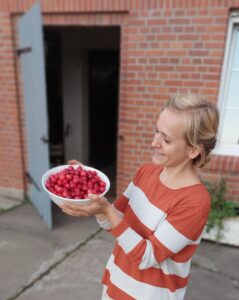
There were strawberries only during strawberry season. You actually looked forward to things.
The first cherries in summer felt special because you couldn’t get them year-round.
Now we can have almost everything immediately, anytime we want. And somehow, because of that, nothing feels special anymore.
Too Much Choice Is Exhausting
Modern life gives us endless options.
Endless entertainment.
Endless shopping.
Endless dating options.
Endless content.
Endless comparison.
And our brains were never designed for this.
Social media especially created a level of comparison humans were never meant to experience.
Our grandparents compared themselves to maybe a few neighbors.
Today, people compare their normal everyday life to the highlight reels of hundreds of strangers online.
Perfect homes.
Perfect bodies.
Perfect routines.
Perfect vacations.
Of course real life starts feeling disappointing when your brain constantly consumes unrealistic perfection.
We Own Too Much Stuff
Another thing I realized:
Most people own far more than they actually need.
And every object requires something from us.
Maintenance.
Cleaning.
Organizing.
Storage space.
Mental attention.
Overconsumption doesn’t just cost money. It costs mental energy too.
That’s one reason why decluttering feels so relieving for many people. Less stuff often means less visual noise, less maintenance and fewer decisions.
What Actually Helps
When I realized all of this, I started changing parts of my life.
Not perfectly. Just intentionally.
I deleted social media apps from my phone, so I can only access them on my laptop.
I decluttered my home heavily.
And I started spending much more time outside.
There’s something deeply calming about doing real things with your hands again.
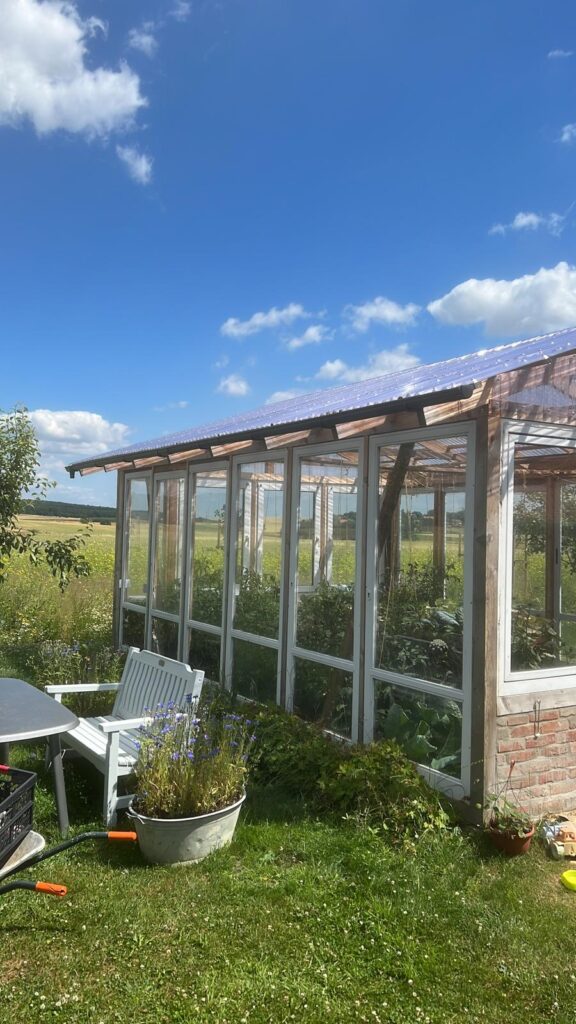
Gardening.
Planting seeds.
Cooking from scratch.
Building something.
Watching something grow over months instead of getting instant gratification within seconds.
It slows your nervous system down.
It reminds your brain what real life actually feels like.
And even if you don’t have a garden, small changes already help.
Put your phone away during breakfast.
Open the window in the morning.
Go for a walk without headphones.
Cook something simple.
Sit outside for 10 minutes without consuming content.
Your brain desperately needs moments without constant input.
Maybe We’re Not Doing Too Much — Maybe We’re Consuming Too Much
I don’t think modern people are tired simply because we work harder than previous generations.
In many ways, our grandparents worked much harder physically.
But they weren’t constantly bombarded with information, comparison and stimulation every waking second.
I think many of us feel exhausted because we are:
- overstimulated
- underactive
- constantly consuming
- disconnected from real life
- disconnected from nature
- disconnected from community
- disconnected from creating things
Too much input.
Too much sitting.
Too much scrolling.
Too little real living.
Maybe The Answer Is Simpler Than We Think
Maybe the solution isn’t becoming more productive.
Maybe it isn’t waking up at 5 AM and optimizing every second of your day.
Maybe it’s simply stepping back.
Living a little slower again.
Reducing the noise.
Using your body more.
Consuming less.
Creating more.
Talking to people face to face.
Growing herbs on a balcony.
Reading instead of scrolling.
Learning to enjoy ordinary moments again.
Because the truth is: our bodies and minds were never designed for this level of constant stimulation.
And maybe that’s why so many people feel exhausted all the time.