If you’ve been on US TikTok lately, maybe you’ve seen those viral videos. People receiving medical bills over $2,000. Electricity bills over $800. Outrageous childcare and grocery costs. One pound of ground beef now costs more than the federal minimum wage. And probably you ask yourself: how can anyone still afford to live in this country – or on this planet – at all?
The Contrast Is Insane
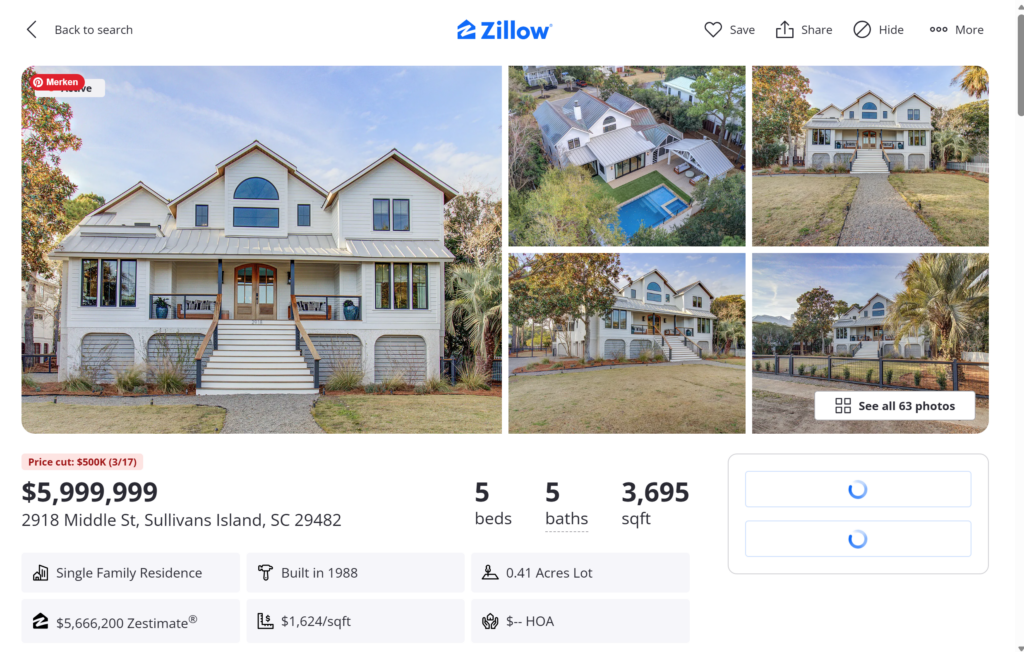
I walk down the street here in Charleston, South Carolina – in my opinion one of the most beautiful cities in the South – and I see houses that cost easily $4 million, $5 million. On South Battery Street, I don’t think there’s a single home that sells for under $4 or $5 million and SUllivan´s Island is even more crazy with homes STARTING at 5 million. So the contrast between the cost of living crisis and what people can actually afford in this country is just insane.
And that’s exactly what I want to explore today: the cost of living crisis in the US, overconsumption, and why living here has made me even more frugal than I already was.
Before we dive in, I want to say clearly: I love the US. I genuinely love living here. The people are kind, the country is stunningly beautiful, and I feel grateful to experience it. What I’m sharing here is only my German perspective – it might not be true for every German, and it certainly might not reflect every American’s experience. So please feel free to share in the comments how you perceive the cost of living in your state. Real numbers and real experiences from you would be so valuable.
Some Real Numbers
I’ve been living in the South of the US for about a year and a half now. Sure, some things are cheaper here than in Germany – gas, for example, or technology. But most everyday expenses are significantly higher.
- Childcare can easily cost more than rent. We paid $1,300 a month for full-time childcare.
- Healthcare – small checkups can cost hundreds of dollars. And if you’re seriously ill? You’re in trouble. We’ve been lucky that nobody in our family has gotten seriously sick, but I’ve seen it with friends. The bills can be outrageously high. I know friends who received hospital bills for a C-section that, even after insurance reductions, came to around $7,000 to $8,000 – and that was only the bill for the mom, not the separate bill for the baby.
- Groceries – even the basics add up quickly. And we live in the South, which is considered one of the cheaper regions. But you can walk out with just a few items – some eggs, a bit of fresh produce – and easily spend over $100.
- Car insurance, health insurance, property taxes – property taxes alone feel like paying a second rent to the state, and those bills keep getting higher.
To live comfortably here in South Carolina, you need on average around $80,000 a year. The average household income in South Carolina? About $57,000. Make it make sense.
I want to be transparent: we are very privileged. We have a safety net through the German employer who sent us here, so the cost of living crisis doesn’t personally affect us in the same way it does many people around us. We can always leave if we need to. I’m aware of that. But I can observe what’s happening to my friends – and that alone is enough to make you deeply concerned. Yes, everything is getting more expensive in Germany too, but it’s not threatening people’s existences in the same way it seems to here.
By the way: If you rather watch videos instead of reading, you can find my YouTube video about this topic right here 🙂
Overconsumption in the Middle of a Crisis
And here’s what I find so striking: on one hand, we have these extreme living costs. On the other hand, I see so much overconsumption and wasteful behavior everywhere.
People ordering takeout multiple times a week, even though groceries are already expensive. Massive shopping hauls taking over TikTok and Instagram. Seasonal décor for every single holiday. Constant Amazon deliveries. And marketing – consumption pressure is absolutely everywhere. It sometimes feels like every single minute, someone in this country is trying to sell you something.
So you either fall for it constantly – and potentially end up in consumer debt trying to keep up with your neighbors – or you tune it out completely. That’s what I did.
I started actively ignoring every marketing message I see here, because honestly, it overwhelms me. And the funny thing is: the overwhelming marketing actually had the opposite effect on me. Instead of making me want to buy more, it pushed me into a kind of quiet rebellion. No. You’re not getting my money. I don’t want to consume that. I don’t want to be part of this system. It made me more frugal, not less.
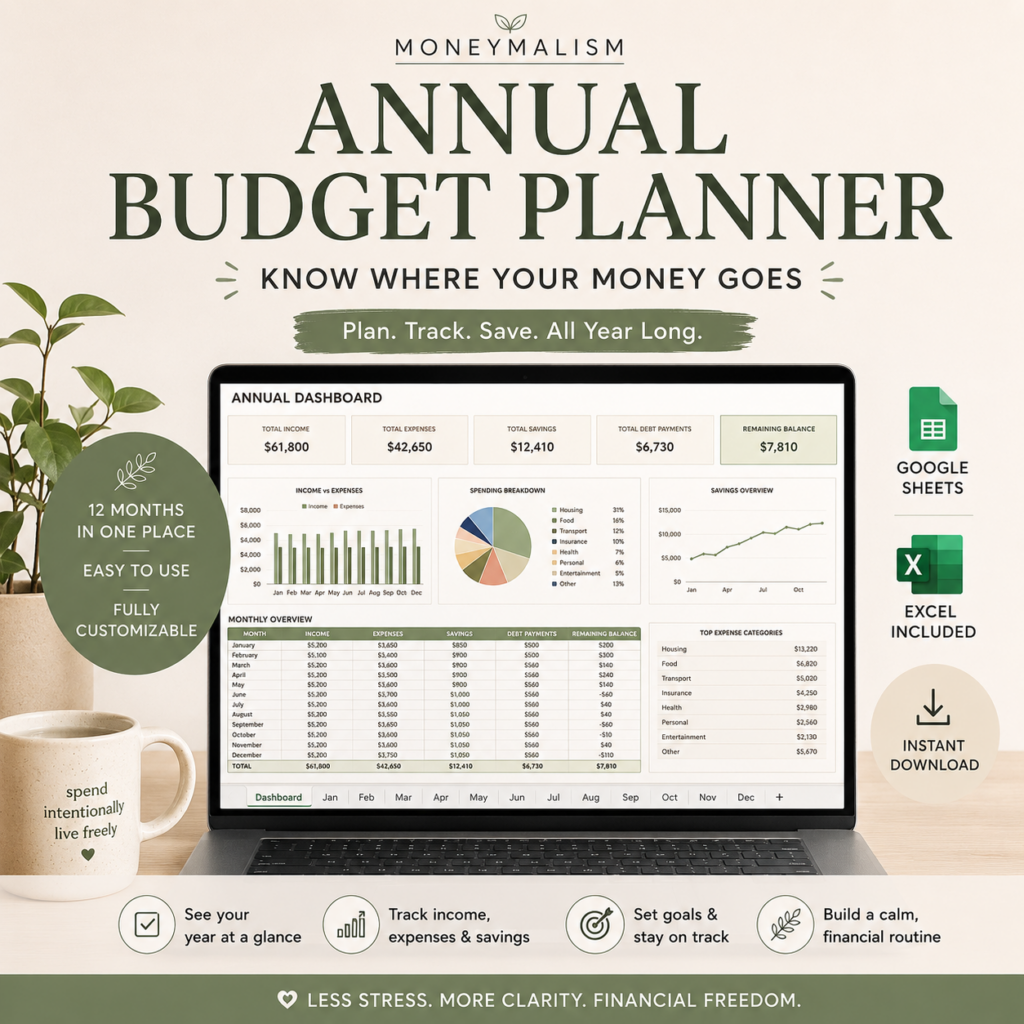
Wanna get your budget under control first? Then check out my Annual / Monthly Budget Planner Spreadsheet!
The Safety Net That Doesn’t Exist
The second big reason living in the US made me even more intentional about money is this: it gives you the feeling that you desperately need a safety net – and that you’re always just one emergency away from not having one.
Even with our privileges, I find myself thinking: what happens if our car breaks down? What if we have a medical emergency that isn’t covered by insurance? What if something happens legally and we need a lawyer? This constant low-level awareness that something bad could happen at any moment – it’s not good for the nervous system.
And when you’re friends with Americans, this feeling kind of prints itself onto your soul. Because so many of them are always quietly aware: I’m just one big emergency away from being homeless or going into debt. That’s the reality for a lot of people here, and it’s genuinely concerning.
Combined with all the consumer pressure, I think you end up going one of two ways: you go with the system and spend more, or you become very intentional and cautious about every single dollar. For me, it made me step back and think much more carefully about where my money actually goes – because I want control. I want stability. I want predictability. I want to be prepared. And I want to do things differently.
The “American Dream” and What Freedom Actually Means
Let’s talk about financial freedom, because we all know the American Dream. You’re free here to do whatever you want – that’s at least what we’re told in Europe.
After a year and a half of living here, I’ve come to think that freedom is a tricky word in this context.
Yes, you can earn more here. Yes, there are fewer regulations on a lot of things than in Germany – and believe me, we Germans love to regulate every single aspect of life. There is a law for absolutely everything. In that sense, life here feels a bit looser. But you also have to be so much more aware and proactive about managing your own financial life. You need to save for your children’s college education – potentially $200,000 or more. You need to build your own safety net. You need to plan ahead for healthcare emergencies and retirement entirely on your own.
In Germany, I’m used to getting my paycheck and the state has already taken what’s needed to fund the big things: healthcare, education, retirement. Here, yes, you might earn more – but you have to take everything into your own hands. And I see a lot of people struggling to do that, because the consumption trap is so seductive and there are so many ways your money can just quietly leak away.
So what I often see here isn’t really financial freedom, even though many people earn more than they would in Germany. What I see is debt, obligations, and a lot of uncertainty.
What It Triggered in Me
All of this triggered something in me. A stronger urge than ever to be debt-free. A desire to not participate in a system that I feel is actively working against people. And most of all, a deeper drive toward self-sufficiency.
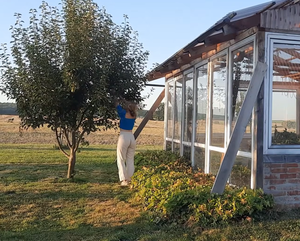
We already lived a pretty self-sufficient lifestyle in Germany – we have a farm, a vegetable garden, chickens. But living here made me realize I want to extend that even further. To be independent not just financially, but when it comes to food, stability, everything. I want to rely less on external systems. I want to have things in my own hands.
When you see how quickly money can disappear here, how much unnecessary stuff gets bought, and how expensive basic life actually is, you start asking better questions:
- Do I really need this?
- Can I make this at home?
- Is this actually worth my money?
There Is Always Hope
After all that heavy stuff – and I know it was a lot – I want to end with the good part, because there’s always something we can do.
For me personally, the answer is not to earn more money to keep up with the system. It’s to reduce my lifestyle to what I actually love and need. To consume less. To avoid debt as much as possible. To build a life that is more independent and more sustainable.
For us, that probably means going back to Germany in a year or two – back to our farm, growing our own food, producing what we need, living simpler, and making more out of what we already have.
But I also think a small mindset shift could help anyone, anywhere:
Maybe I’m already satisfied with what I have. Maybe I don’t need the new $1,000 iPhone – maybe a refurbished Android for €150 does the job just as well. Maybe it’s more about finding joy in what already exists, rather than constantly looking at what other people have, what vacations they’re taking, what they’re buying.
I want to nurture that feeling of abundance – of enough – and carry it forward. Not to constantly feel pressured to earn more, do more, achieve more, so I can finally enjoy my life. I’d rather work 8 hours on our farm for myself than 8 hours in an office just to buy a Chanel bag I don’t actually need or want.
Because in the end – at least for me – freedom doesn’t come from spending. It comes from needing less.
You’re Not Alone
If you’re thinking about moving to the US, or if you’re already living here and struggling with the cost of living: you are not alone. A lot of people are struggling right now, and a lot of people feel overwhelmed by the constant consumption pressure. The world is a lot right now. It really is.
I’d love to know what you think about the cost of living crisis. How much do you spend per month on rent and groceries in your state? Drop it in the comments – maybe we can build a little map together and see how different things are across the country and across the world.
And if you’re interested in my German takes on personal finance, frugal grandma recipes, minimalist living, and decluttering tips – stick around. I’d love to see you in the next one.